



As part of its international partnerships, the University of Dunaújváros offers its lecturers opportunities to gain first-hand teaching experience abroad, get to know different educational systems, and build professional and cultural connections with partner institutions.
In this new article series, titled “Seeing to understand”, we would like to share the personal and professional experiences of our lecturers who have recently participated in international mobility programmes. Through their stories, we aim to offer a closer look at how international cooperation works in practice – beyond agreements, official visits and institutional frameworks.
In the first part of the series, Dr. György Ágoston, College Professor at the Department of Software Development and Application, shares his experiences from China, where he taught at Guizhou Light Industry Polytechnic University.
Seeing to understand: Teaching Experience in China – Part I.
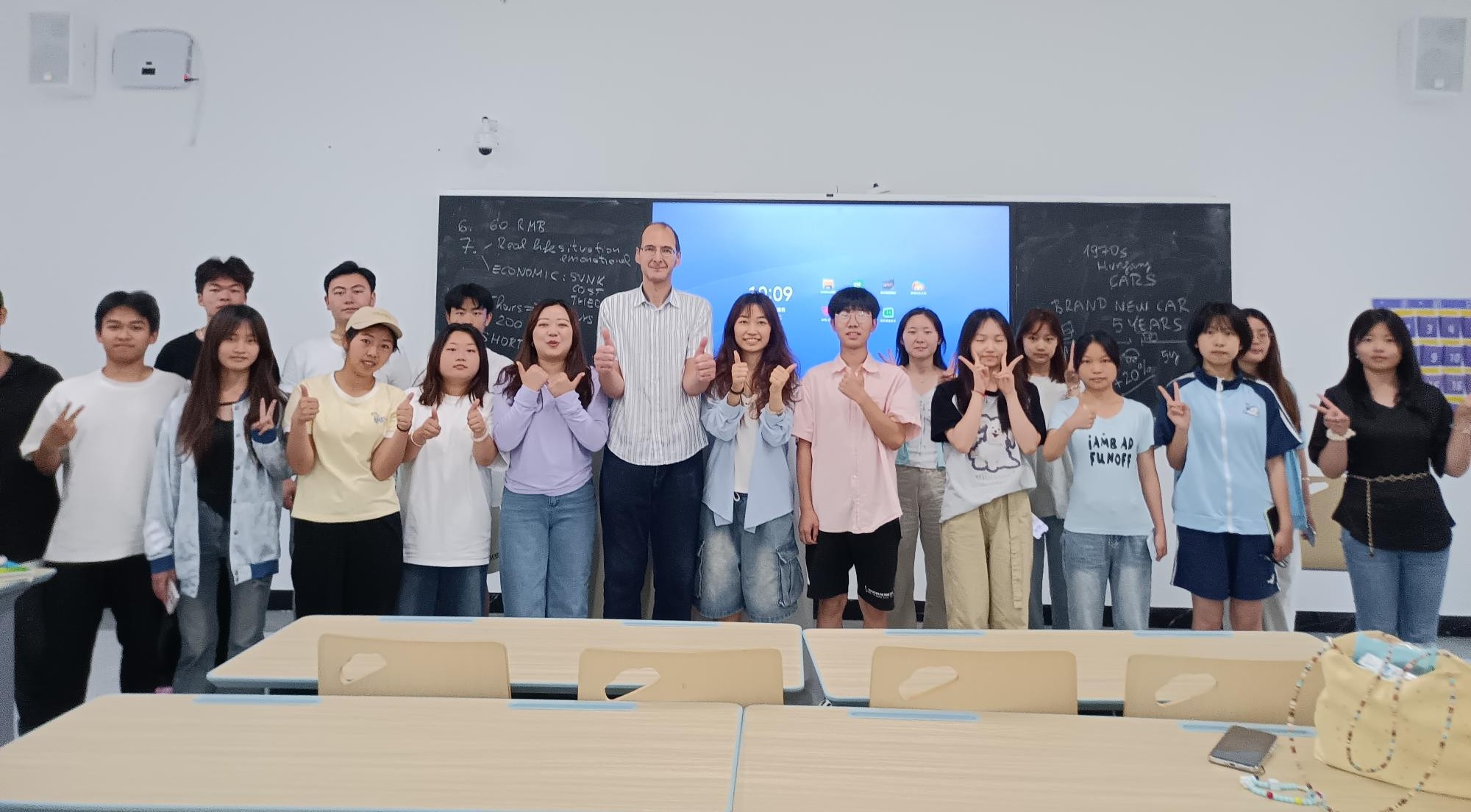
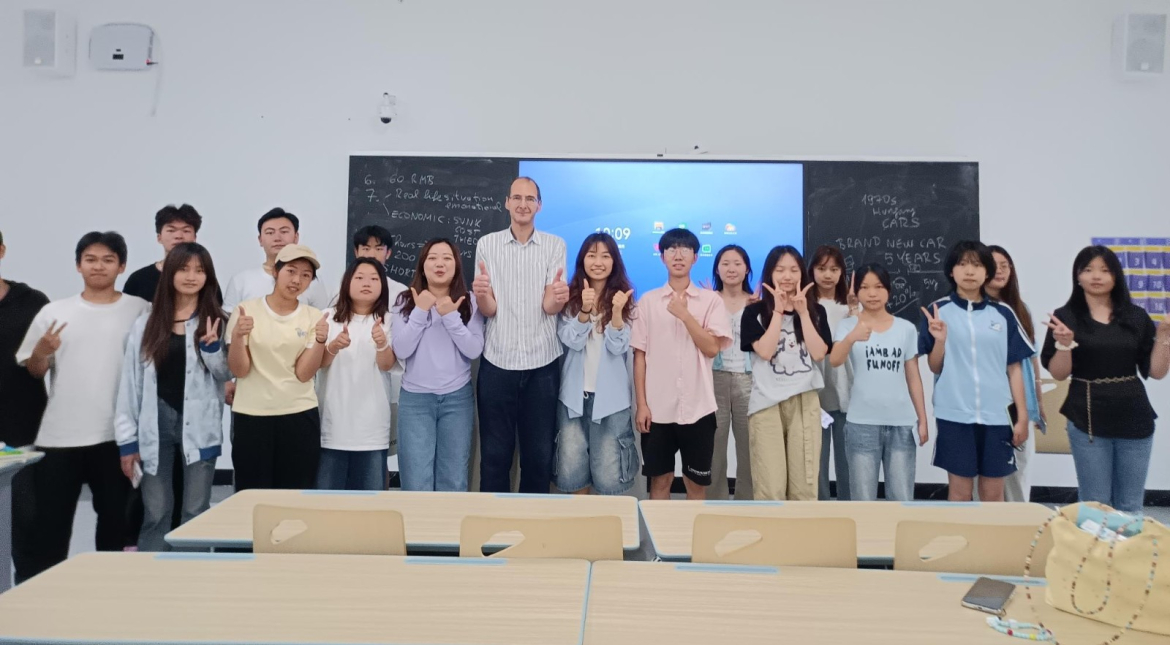
Dr. György Ágoston spent two weeks in China in May 2026, where he taught Economics I. at Guizhou Light Industry Polytechnic University (GLIPU). This was the second time he had taught at the partner institution, further strengthening the educational and professional cooperation between the two universities.
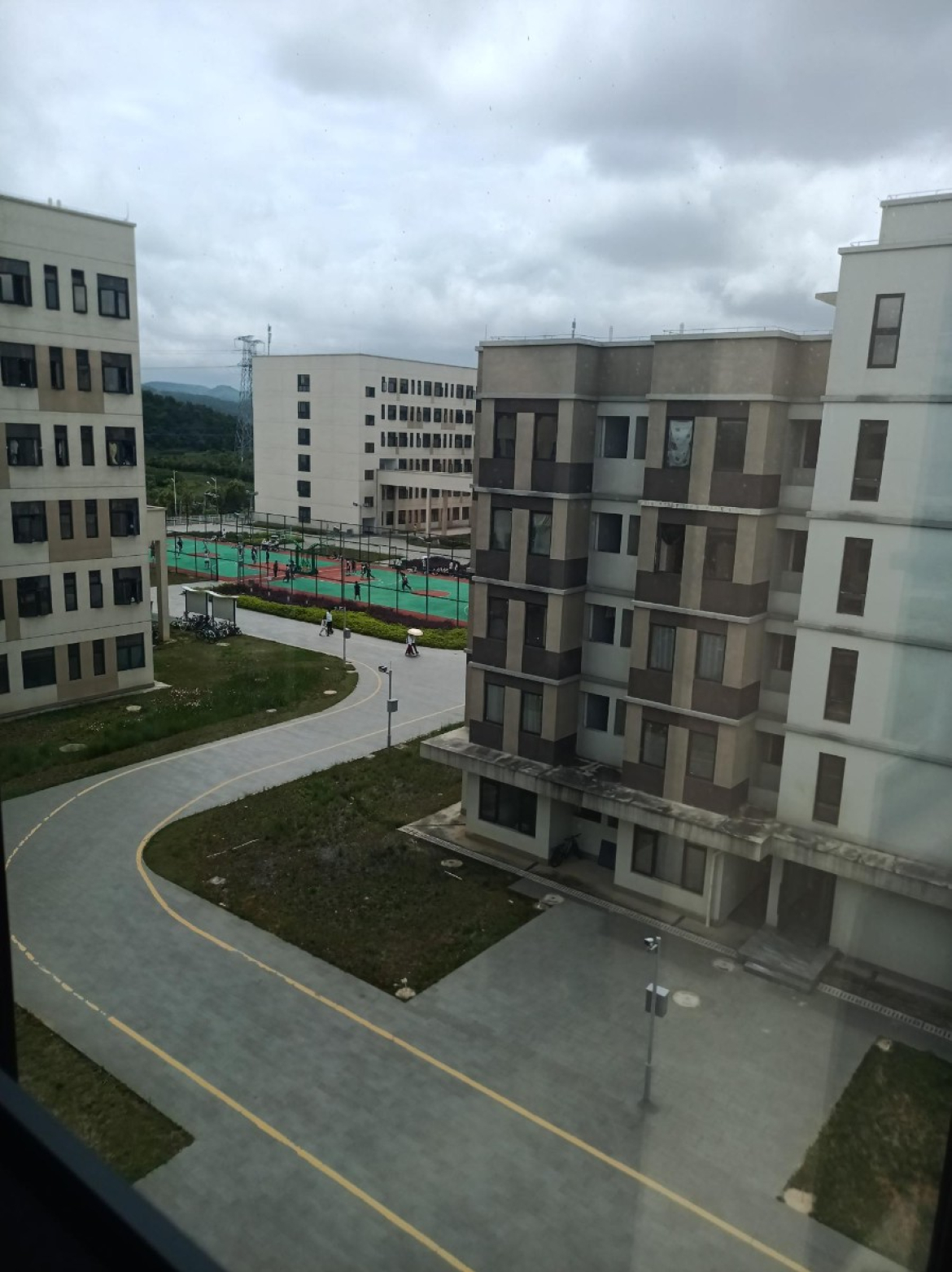
Located in the Southern region of China, relatively close to the Vietnamese border, GLIPU offered not only a valuable teaching opportunity, but also insight into a cultural and educational environment very different from Hungary.
One of the most interesting aspects of the visit was how easily language barriers were overcome with the help of technology. Students used their mobile phones to translate lectures and conversations in real time, making communication smooth and effective.
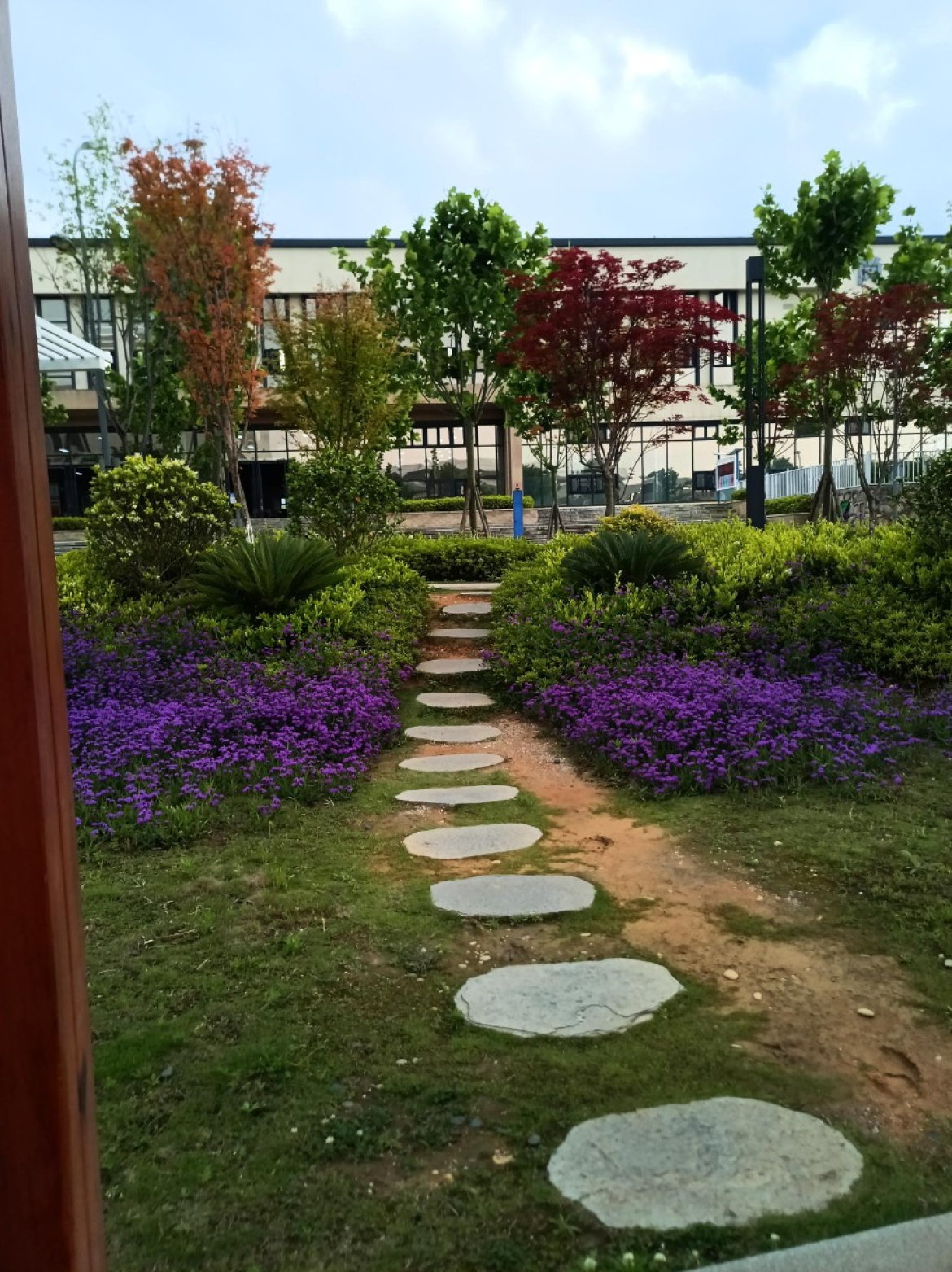
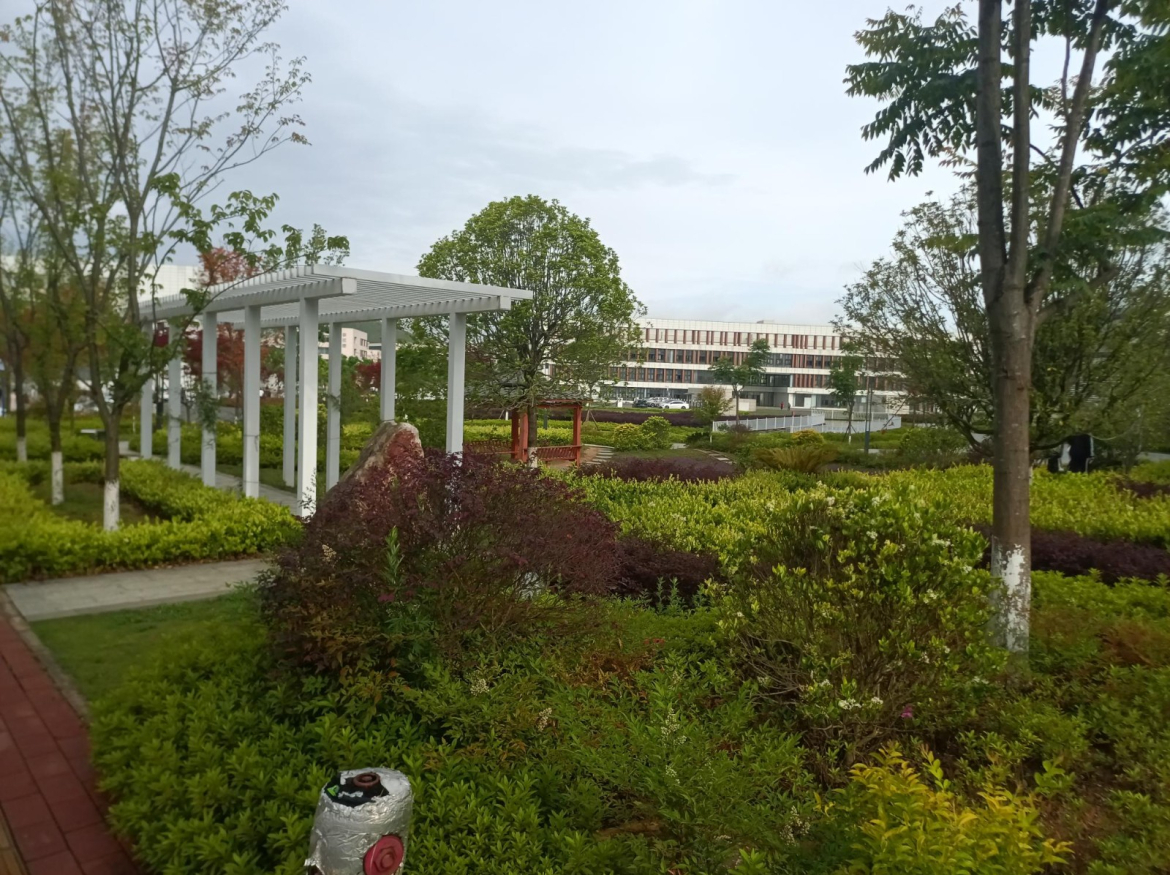
The visit also provided a glimpse into everyday campus life. Two university canteens, operating on three floors, offered an exceptionally wide selection of meals, including vegetables, fruits and flavours unfamiliar to European visitors. The authentic Chinese cuisine was very different from what is often associated with “Chinese fast food” in Europe.
Chinese higher education also follows a different daily rhythm: students may have classes from 8.30 a.m. until as late as 10 p.m. In this context, the closed campus functions as a safe and familiar environment where students spend most of their day, study, socialise and feel at home.
As Dr. Ágoston reflected: “Seeing helps us understand.” Certain habits, such as wearing slippers on campus, may seem unusual in Hungary, but become completely natural when seen in their original context. The visit also brought memorable personal moments, including students asking for selfies with the European guest lecturer.
Dr. Ágoston also highlighted the kindness and hospitality of the GLIPU staff and students. Although the flight from a small town near Budapest, Hungary to Guiyang was long, taking approximately 23 hours in total, the warm welcome and the programmes organised by the hosts made the experience truly worthwhile.
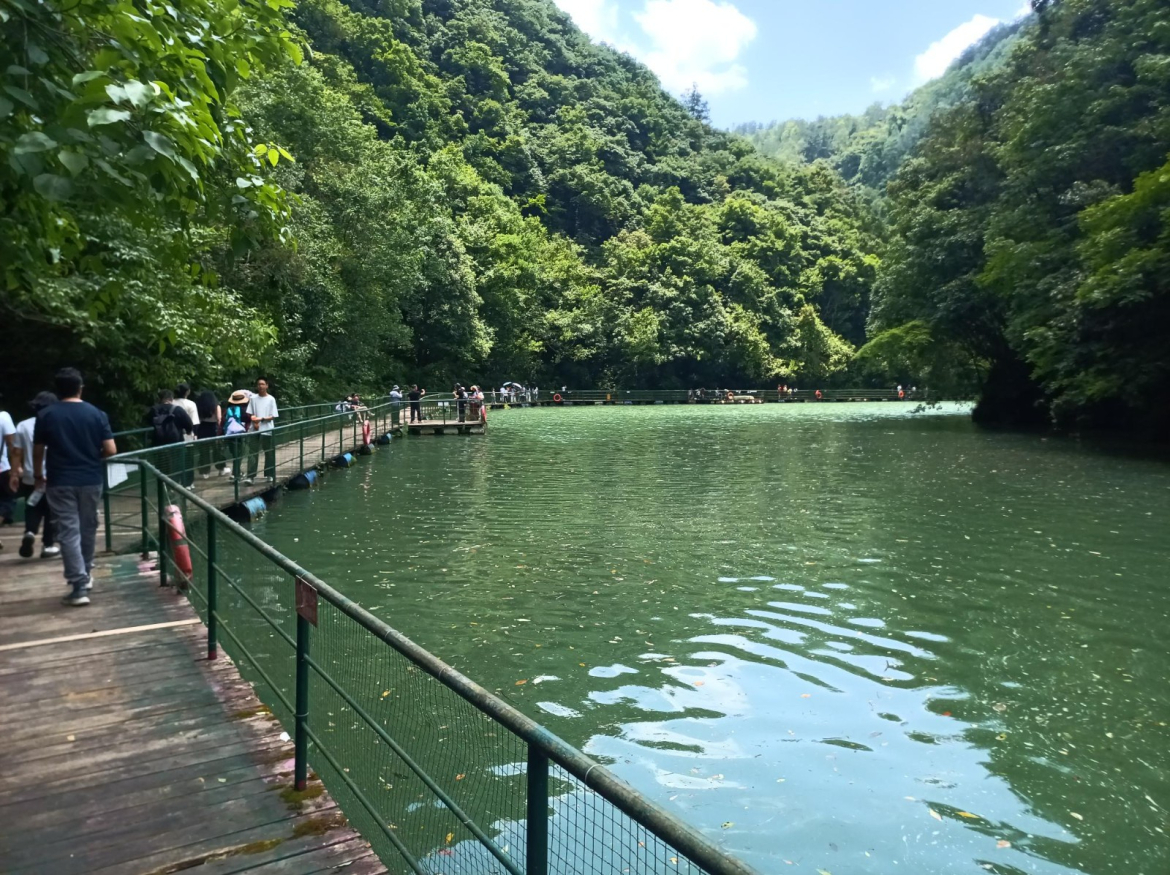
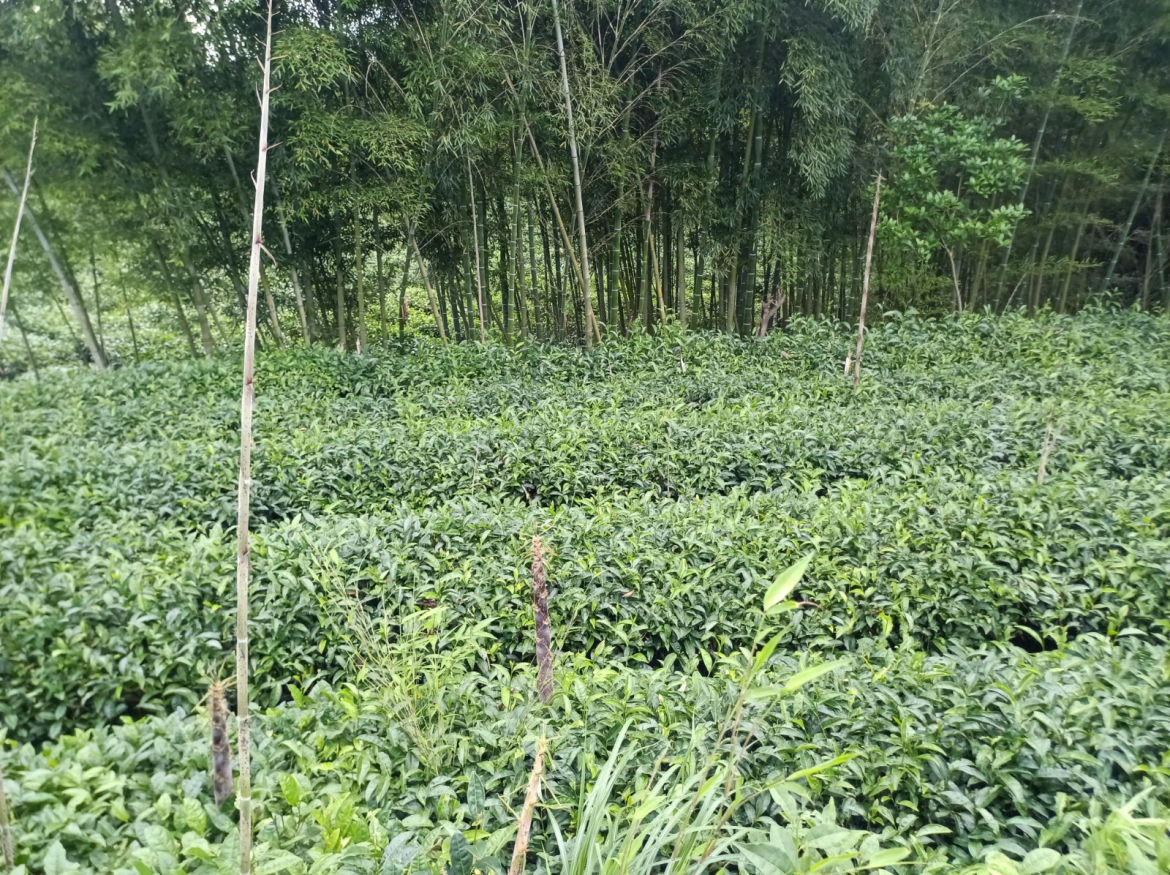
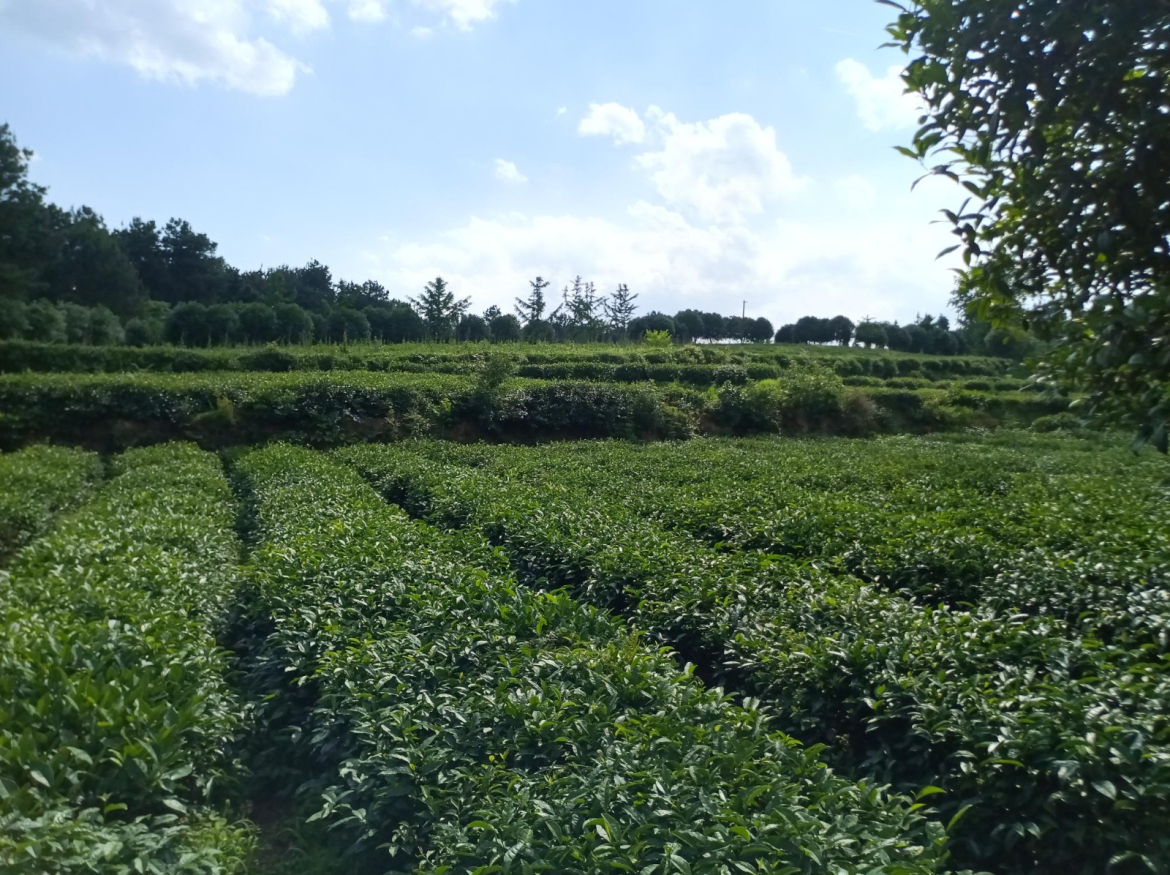
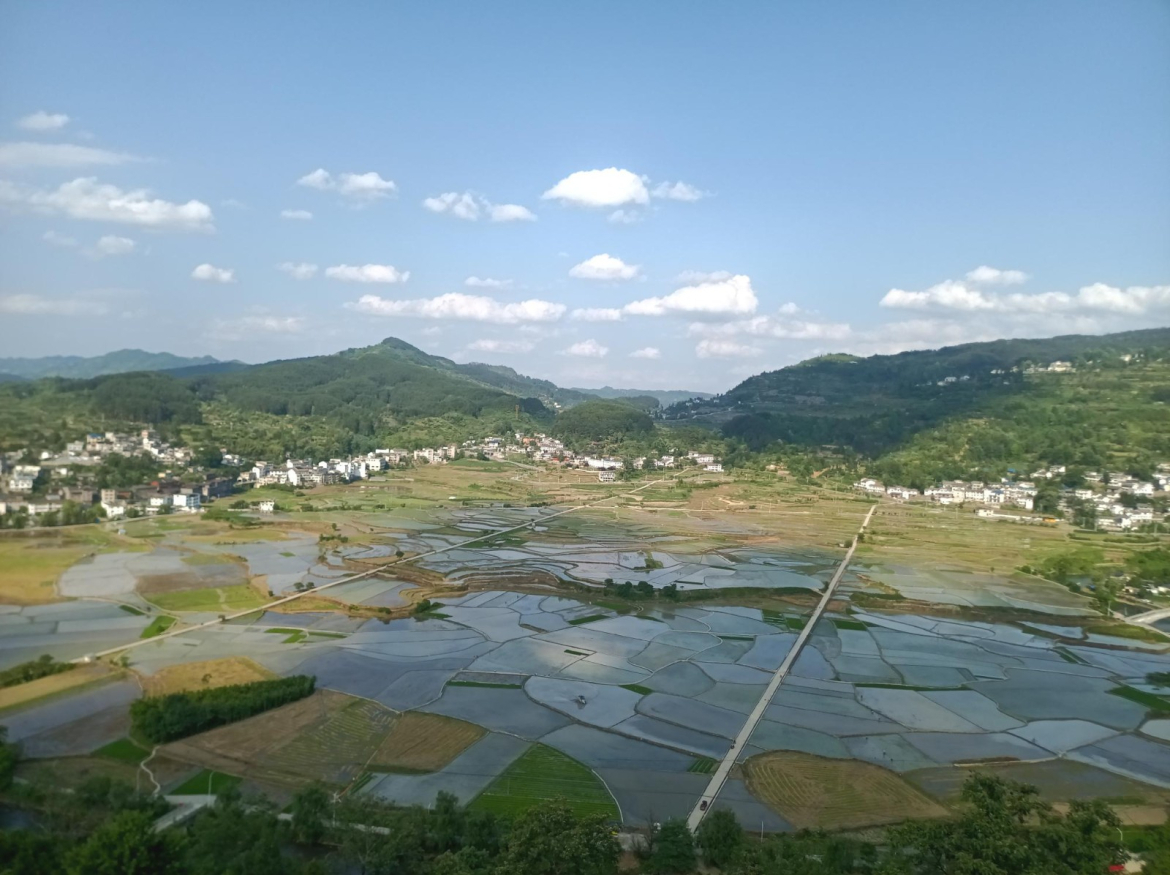
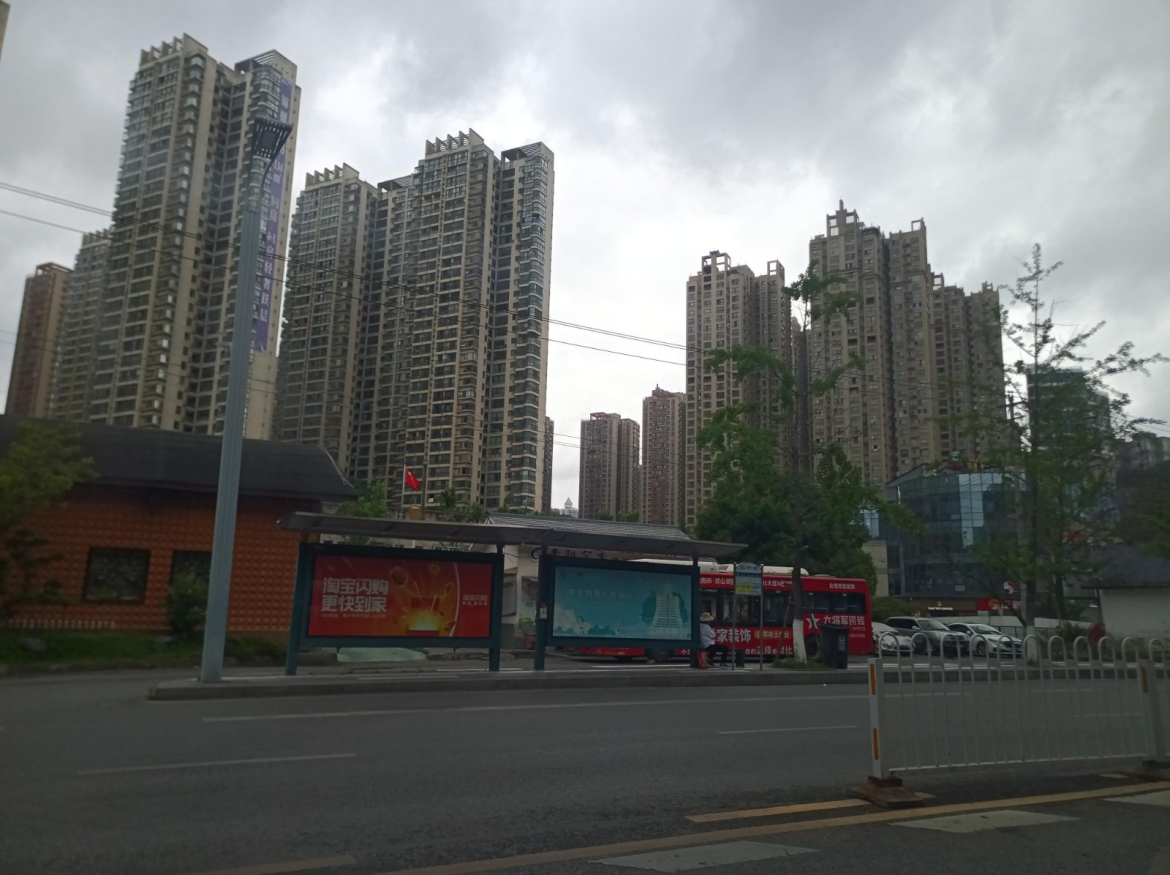
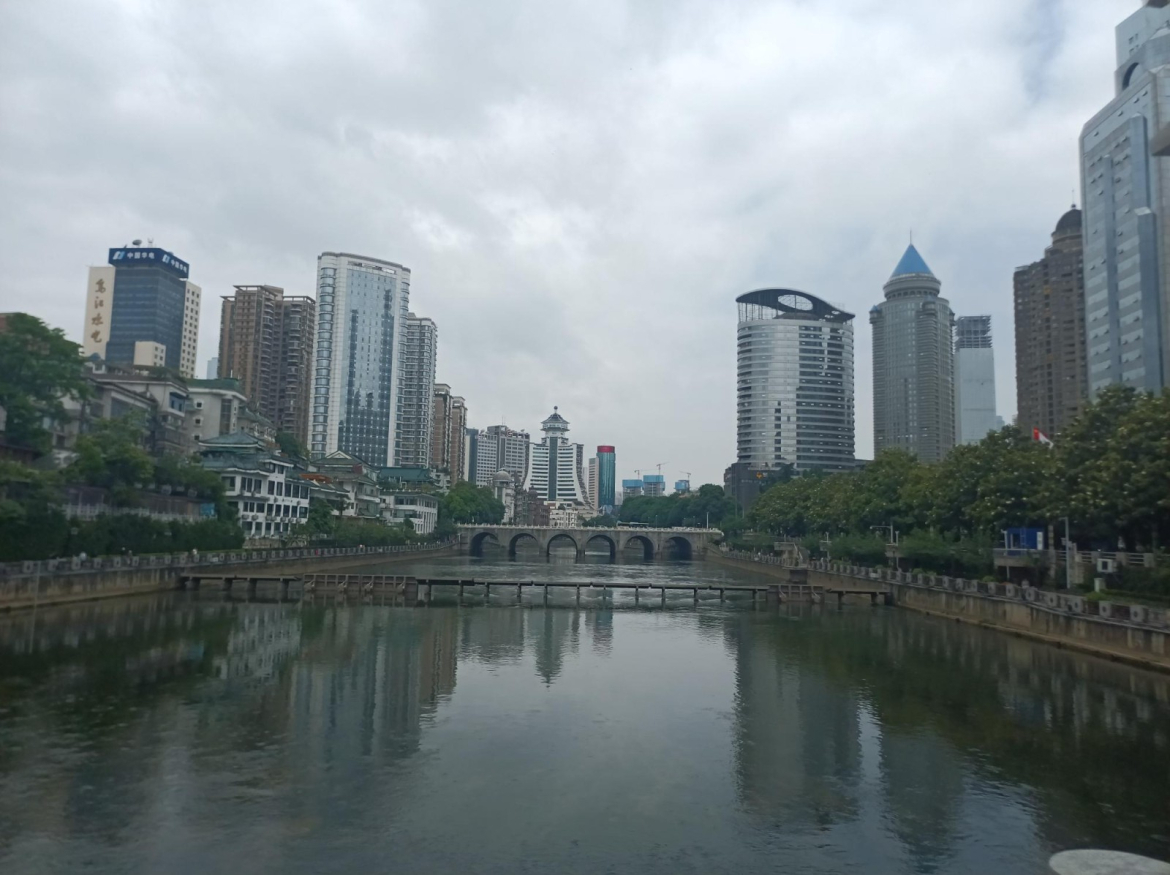
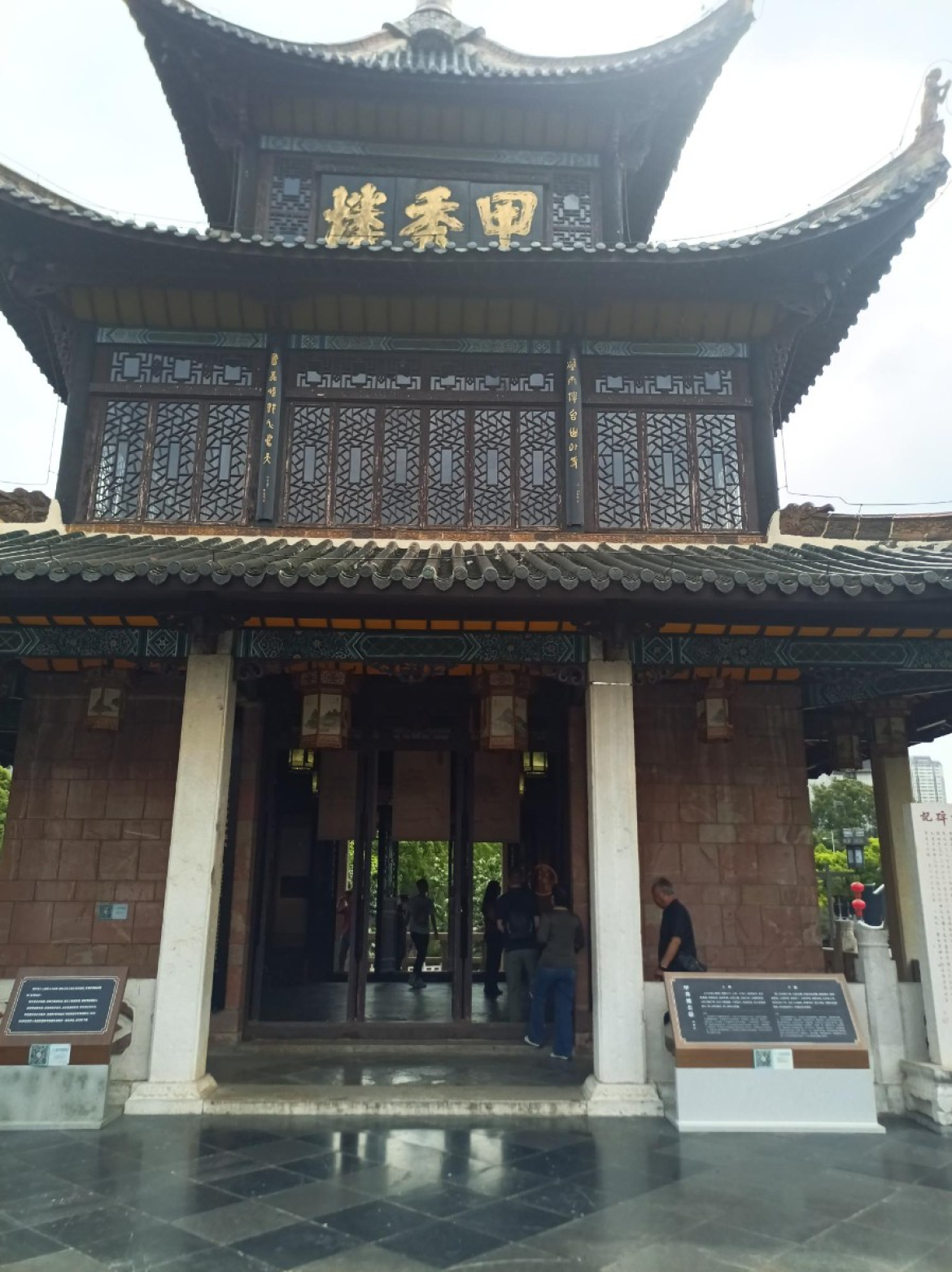
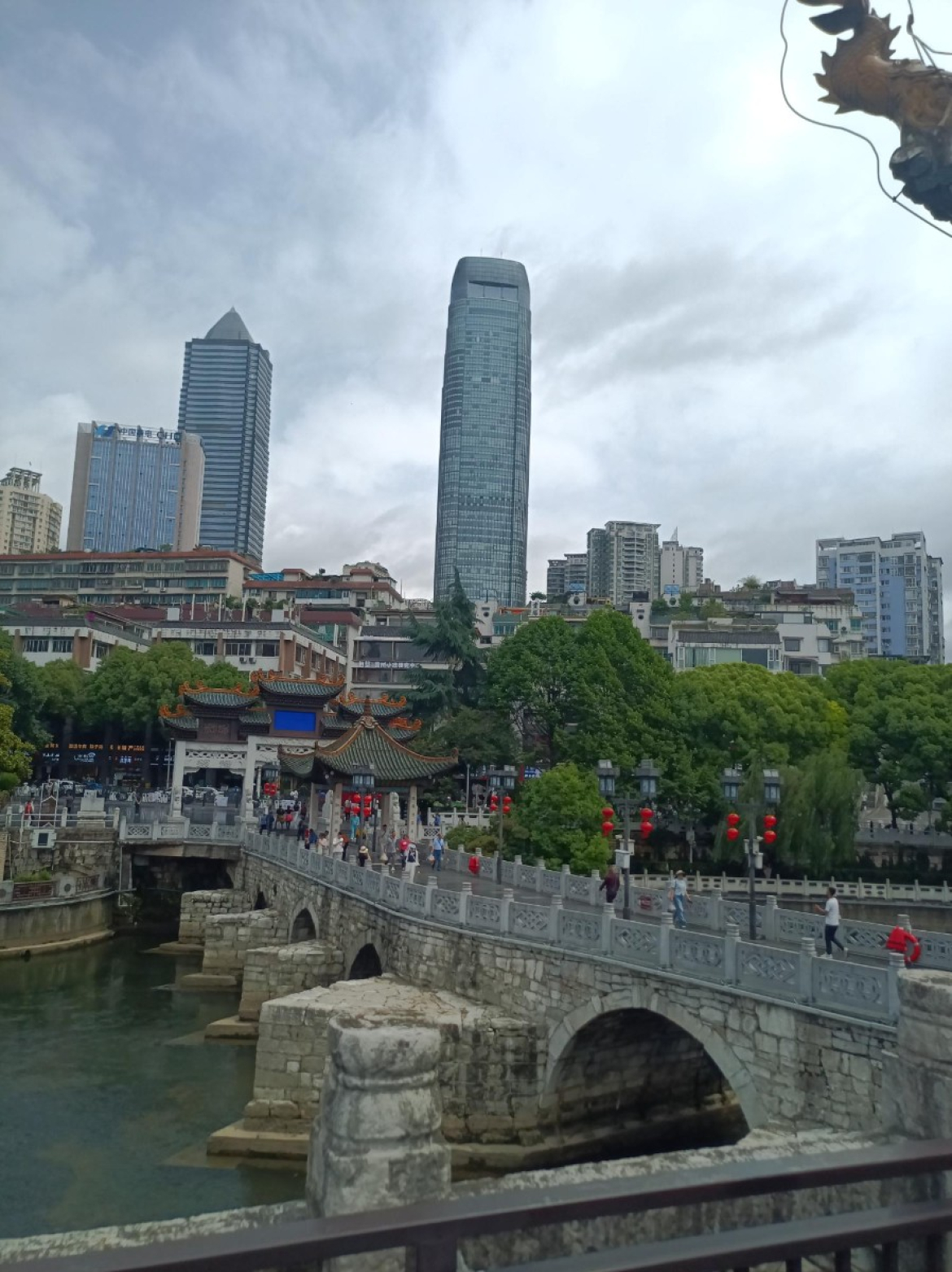
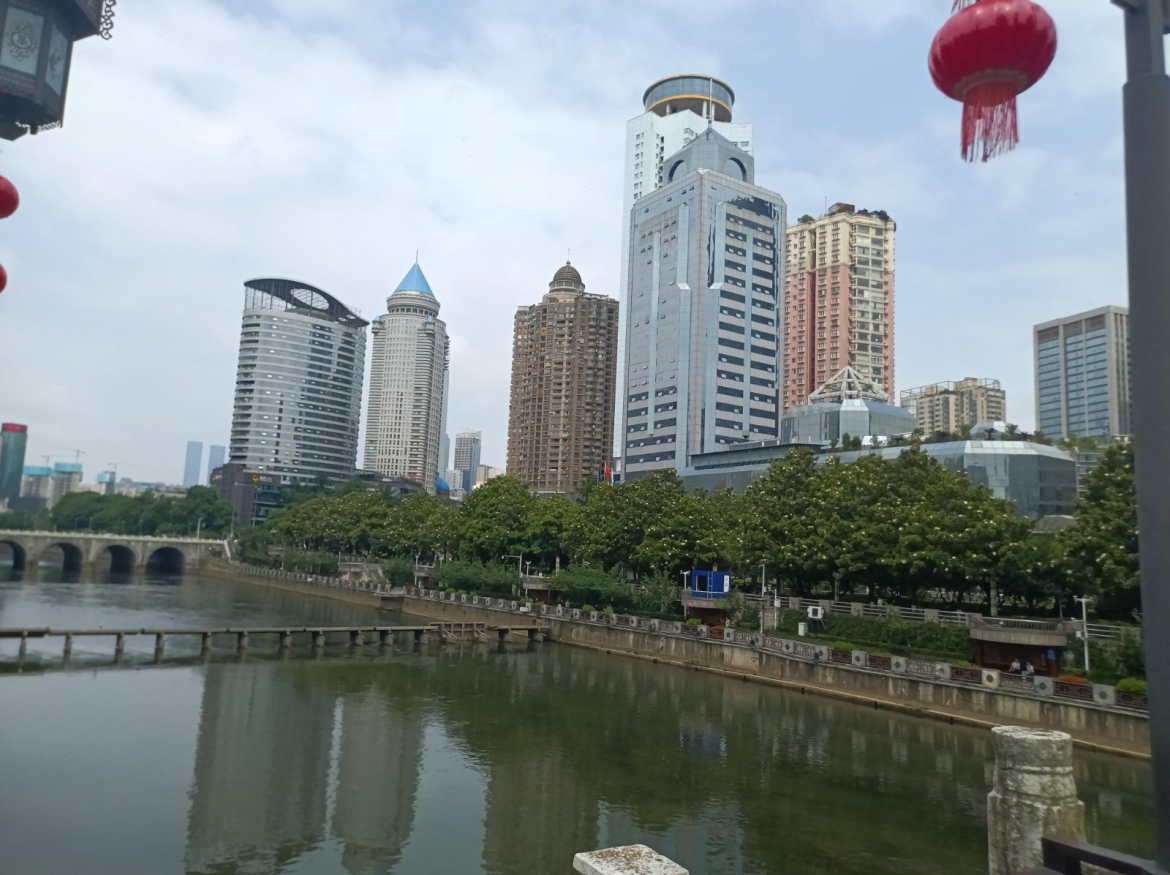
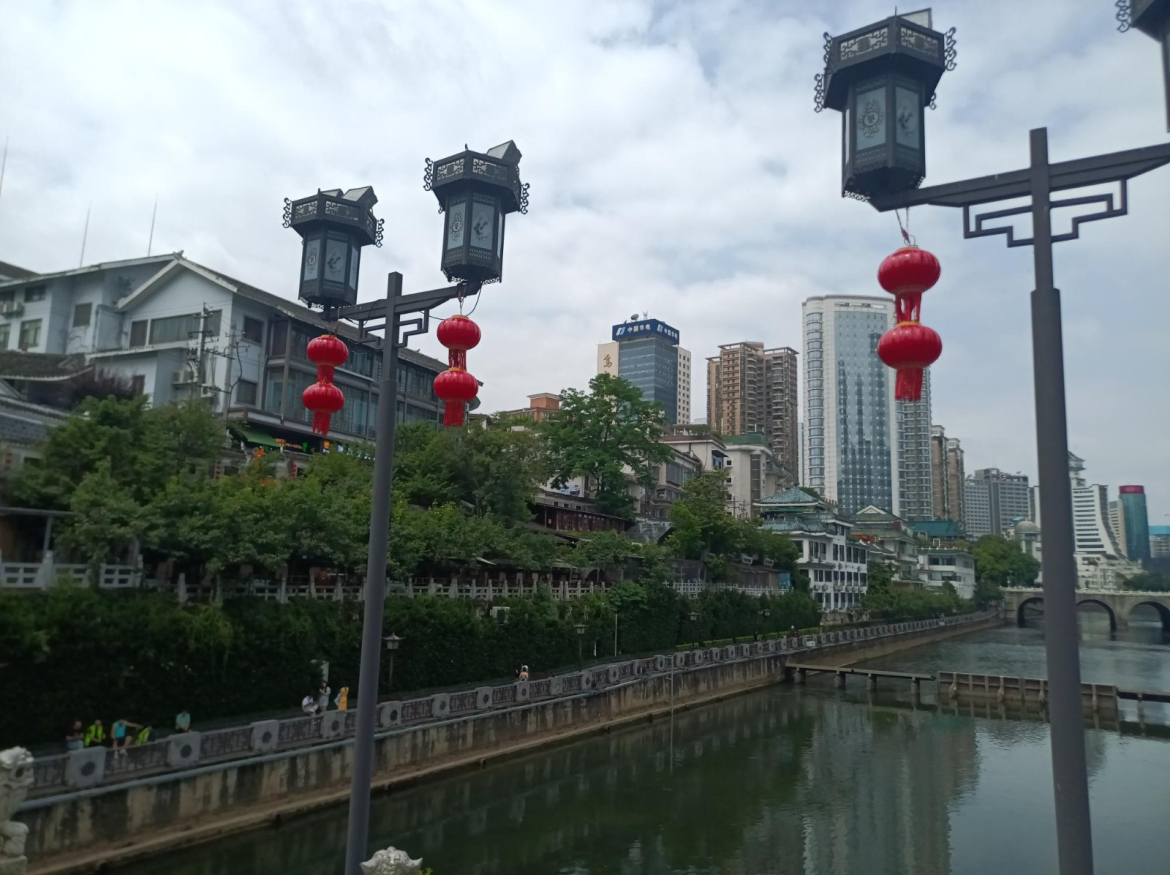
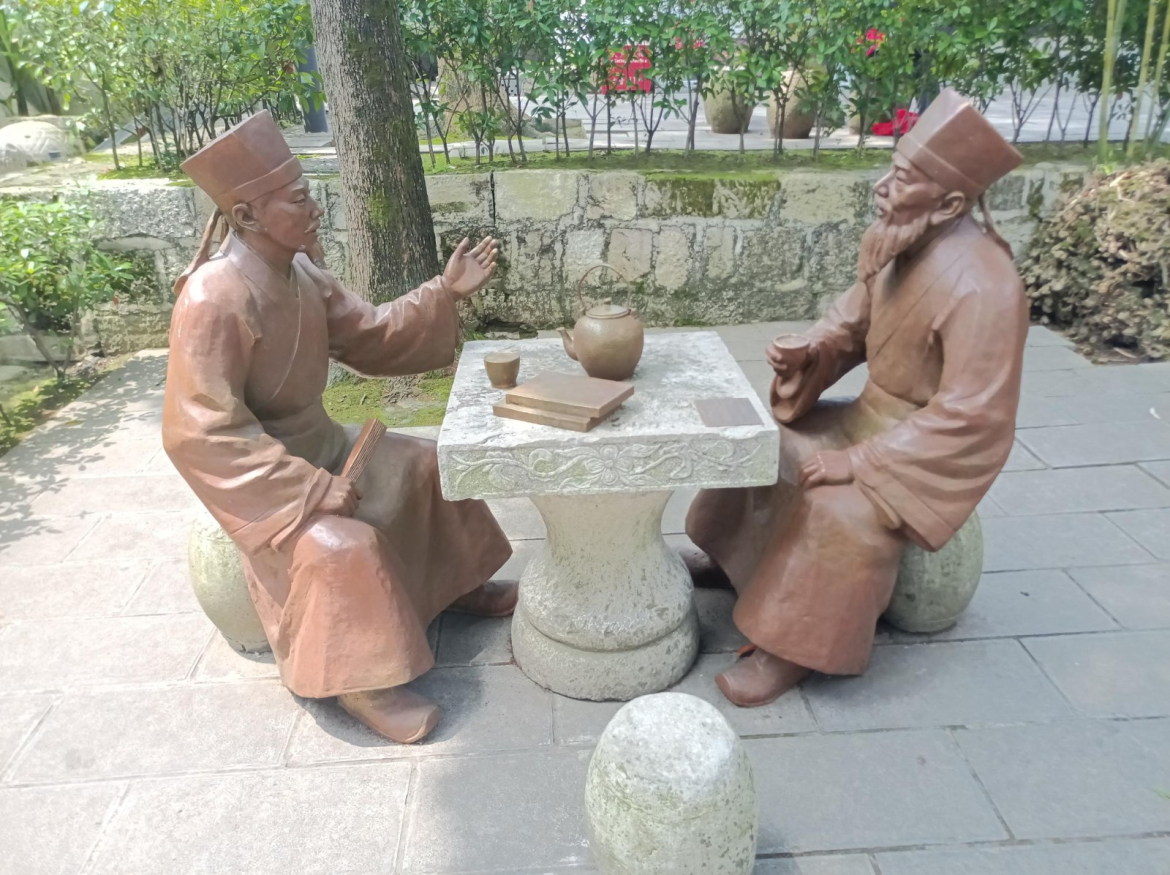
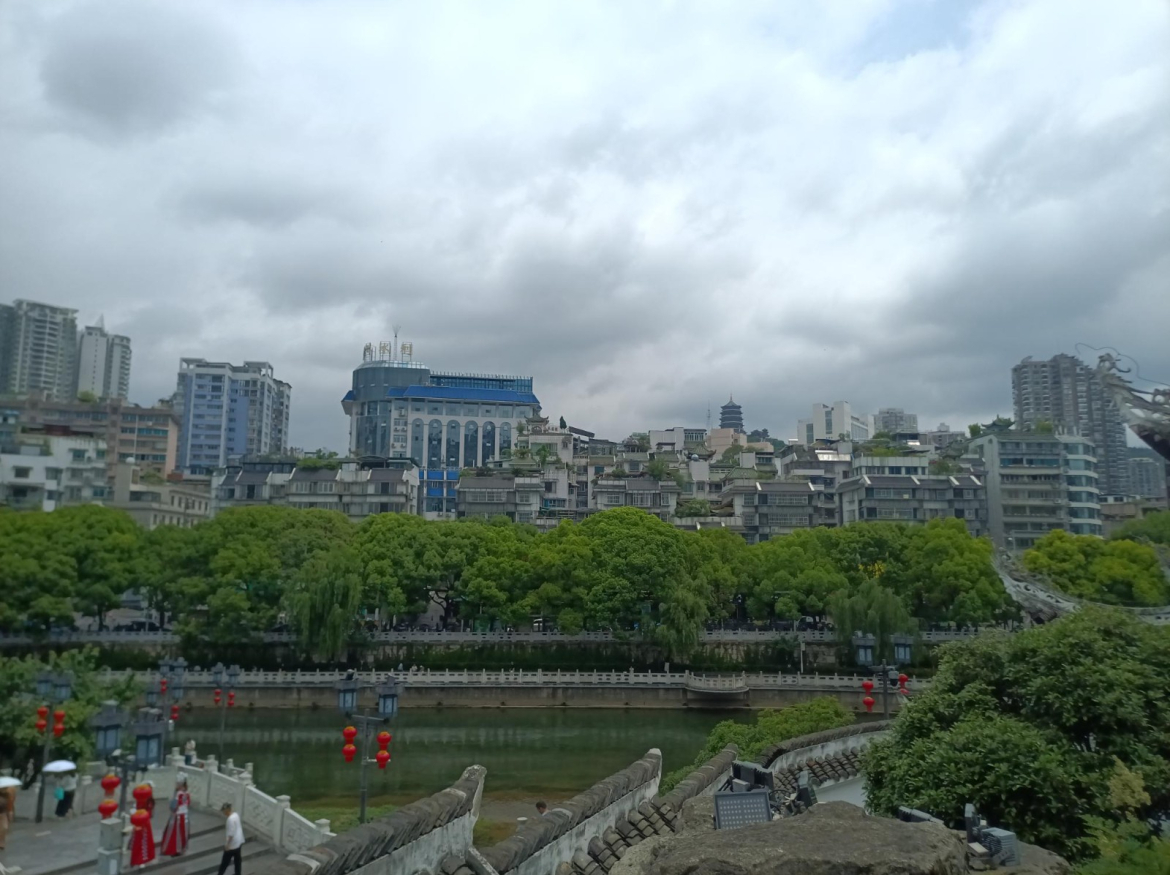
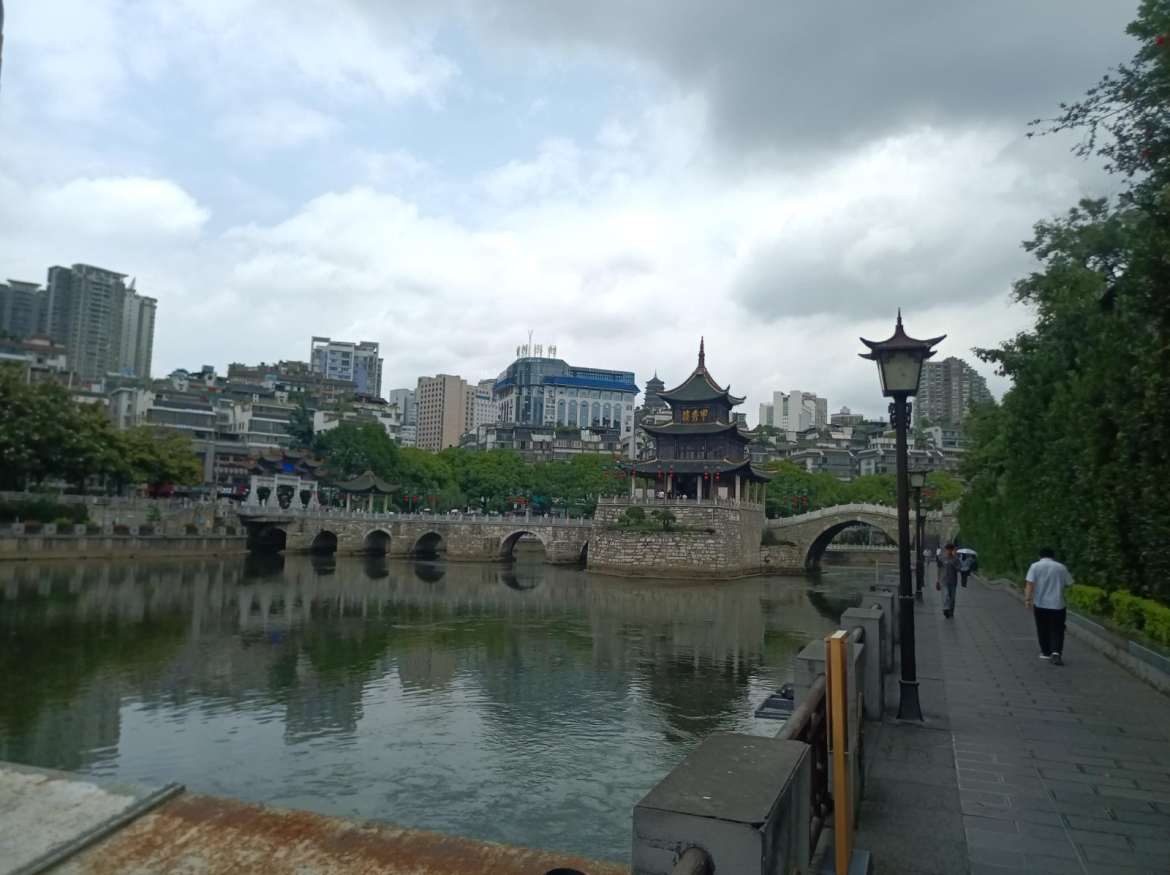
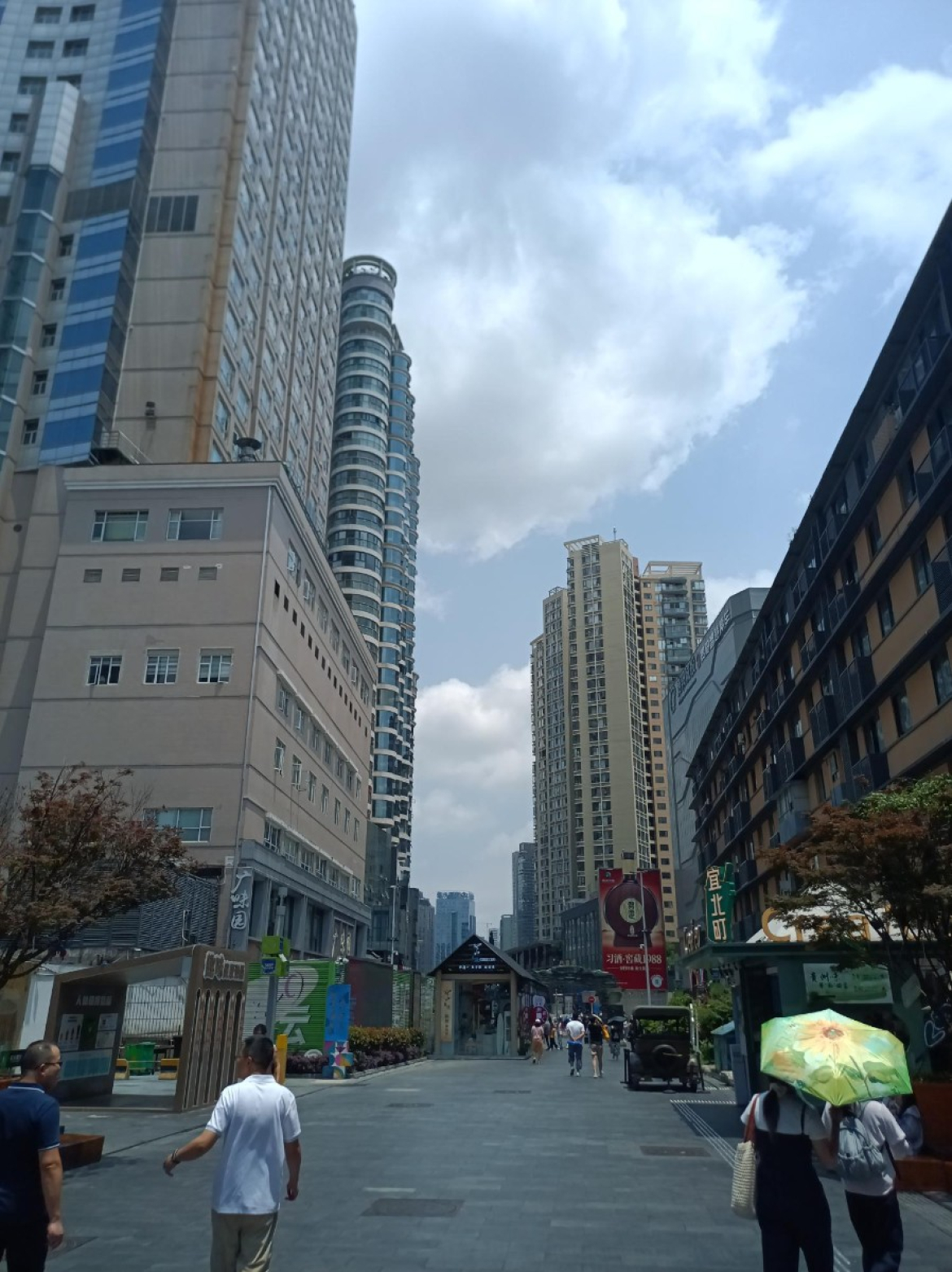
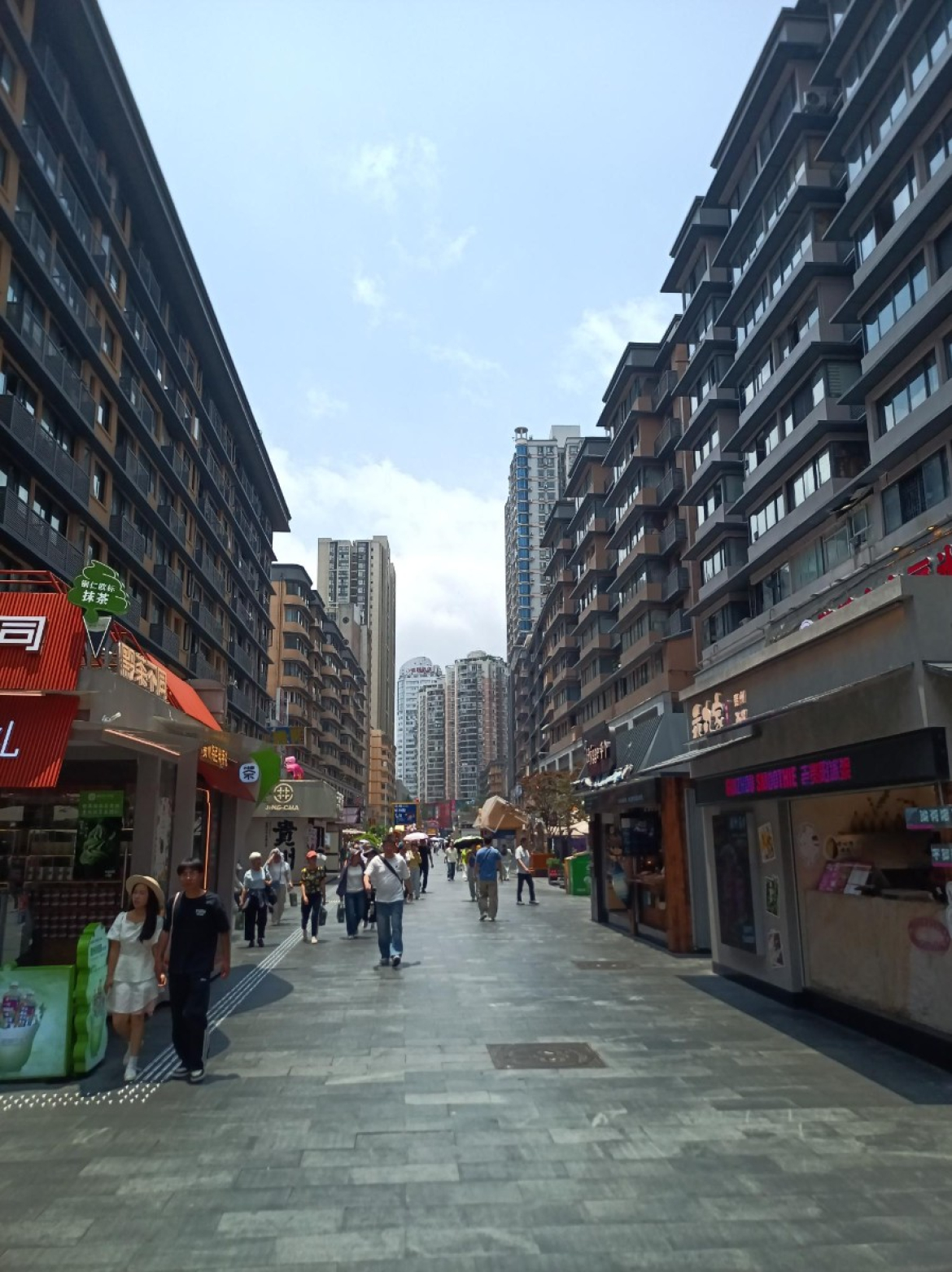
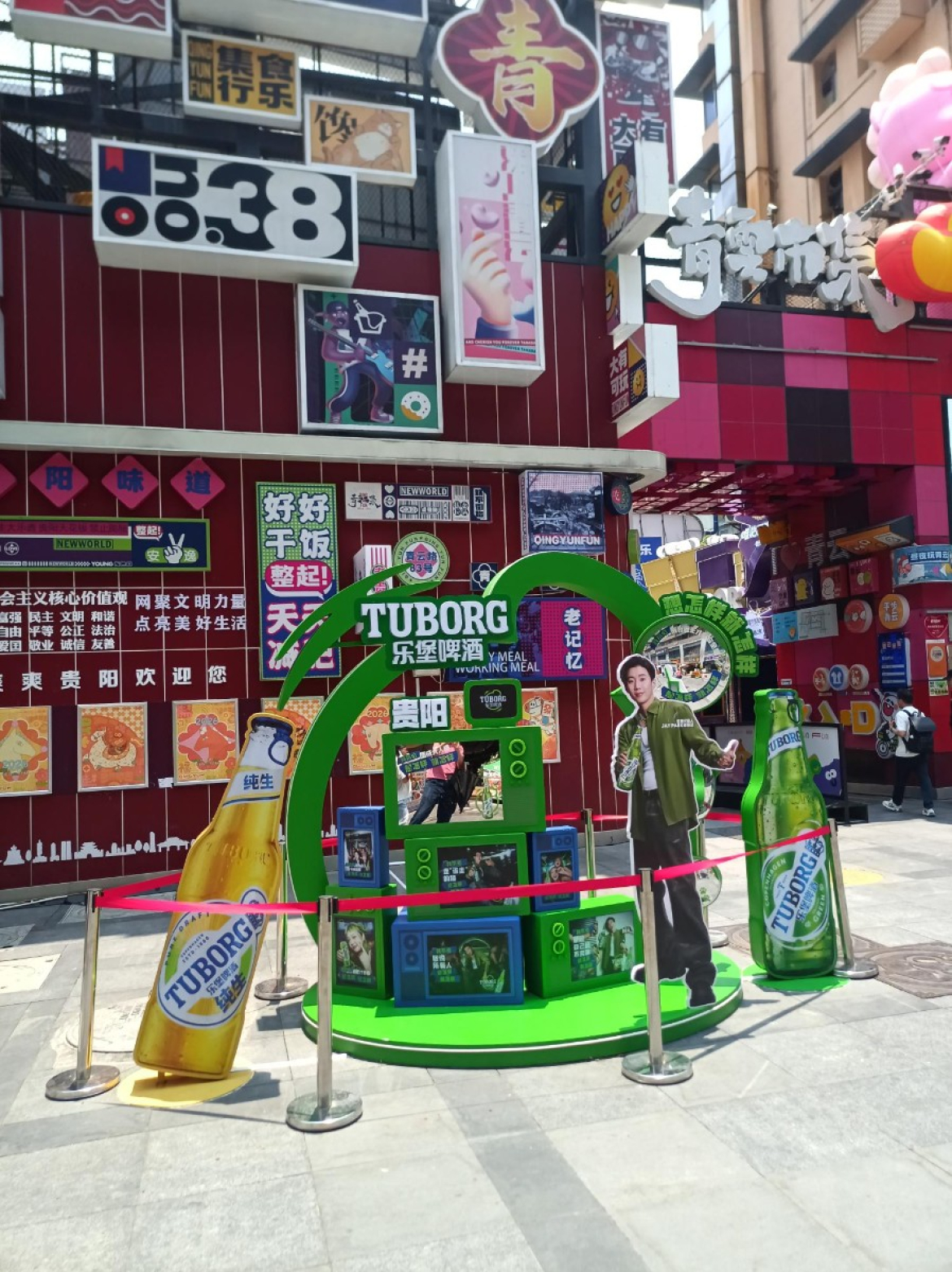
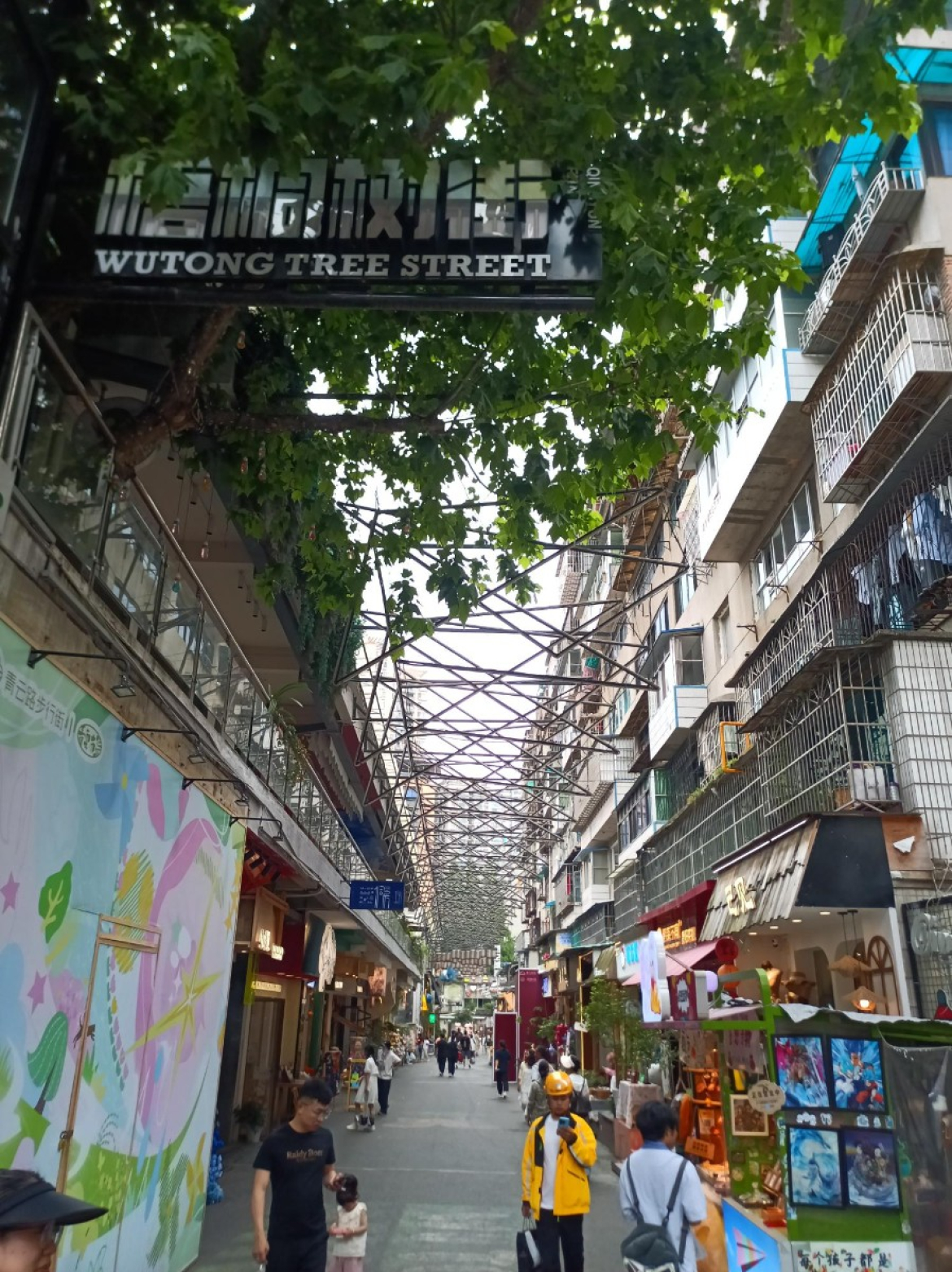
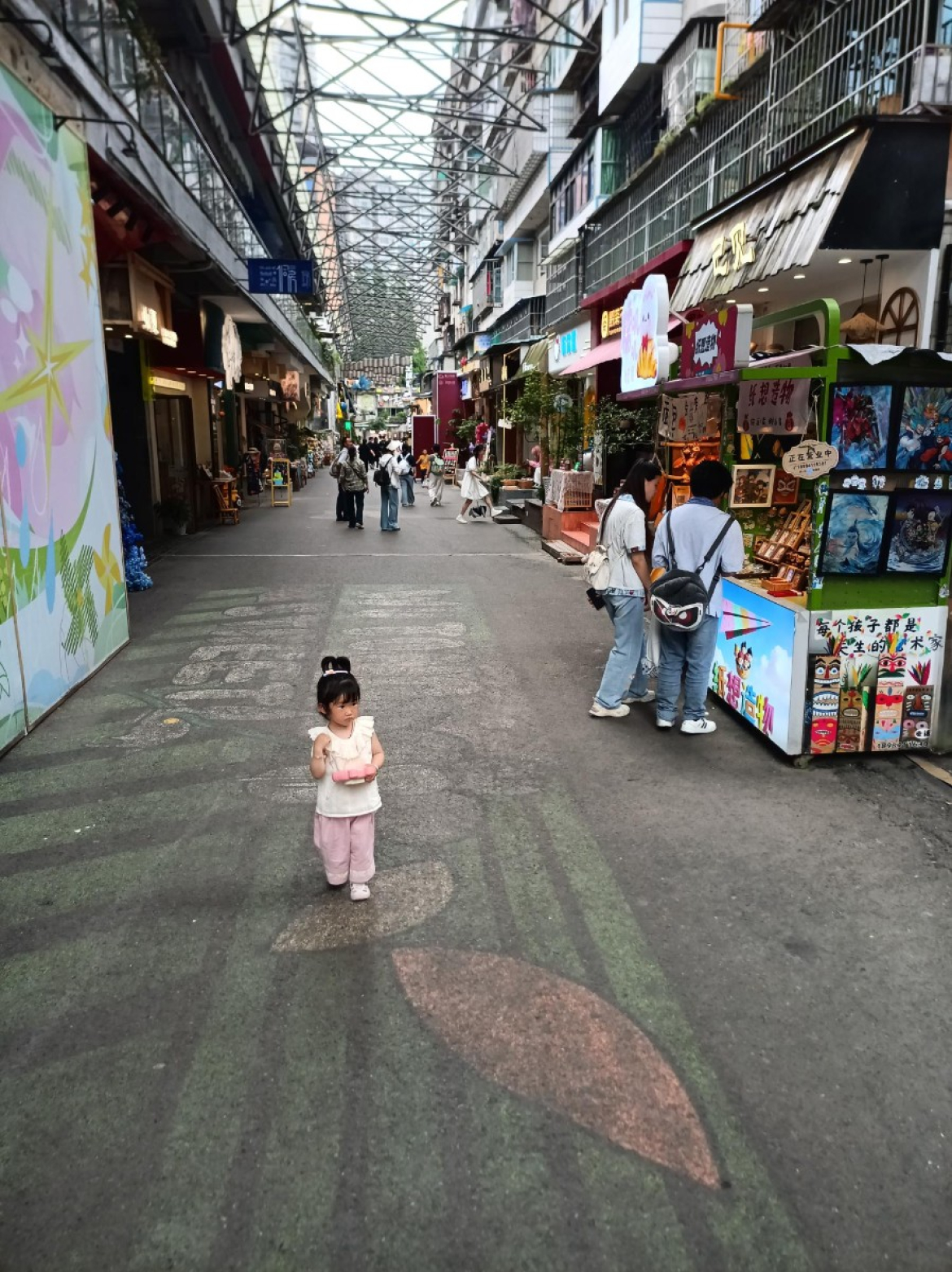
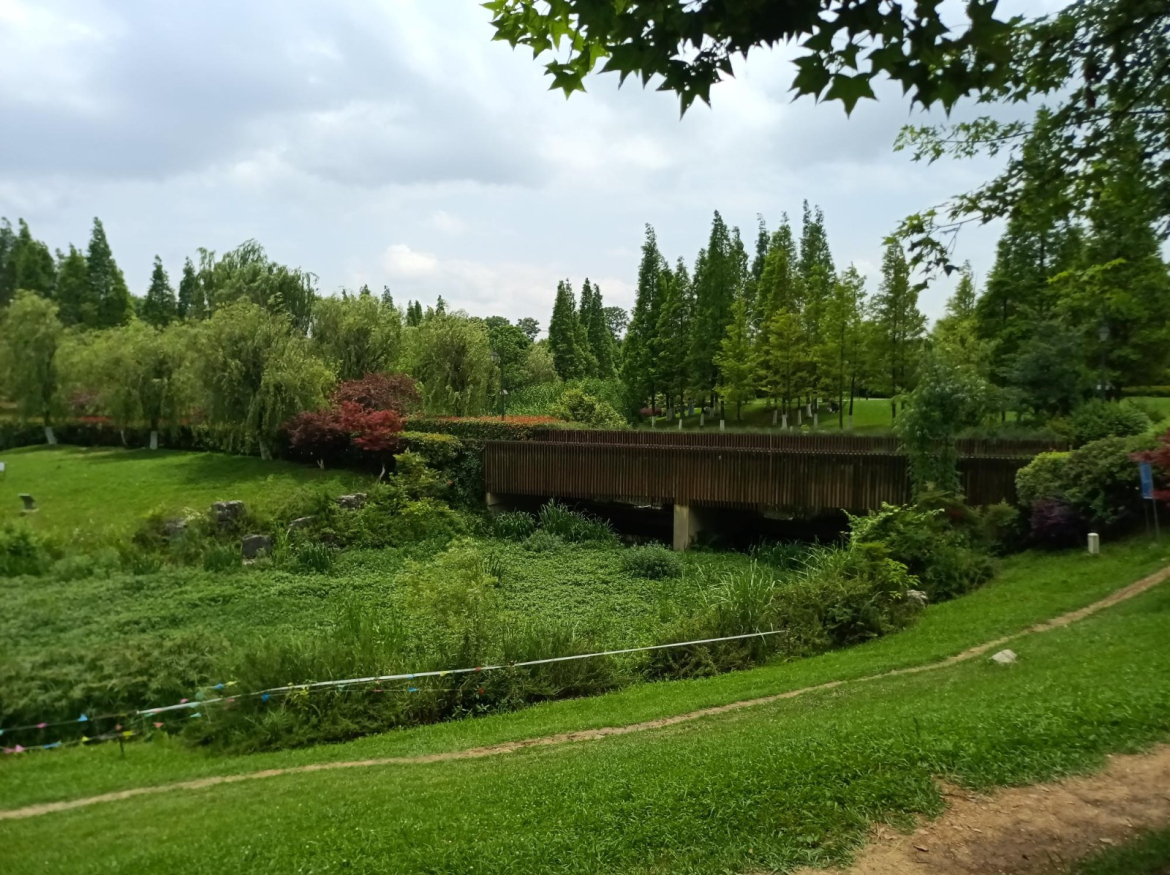
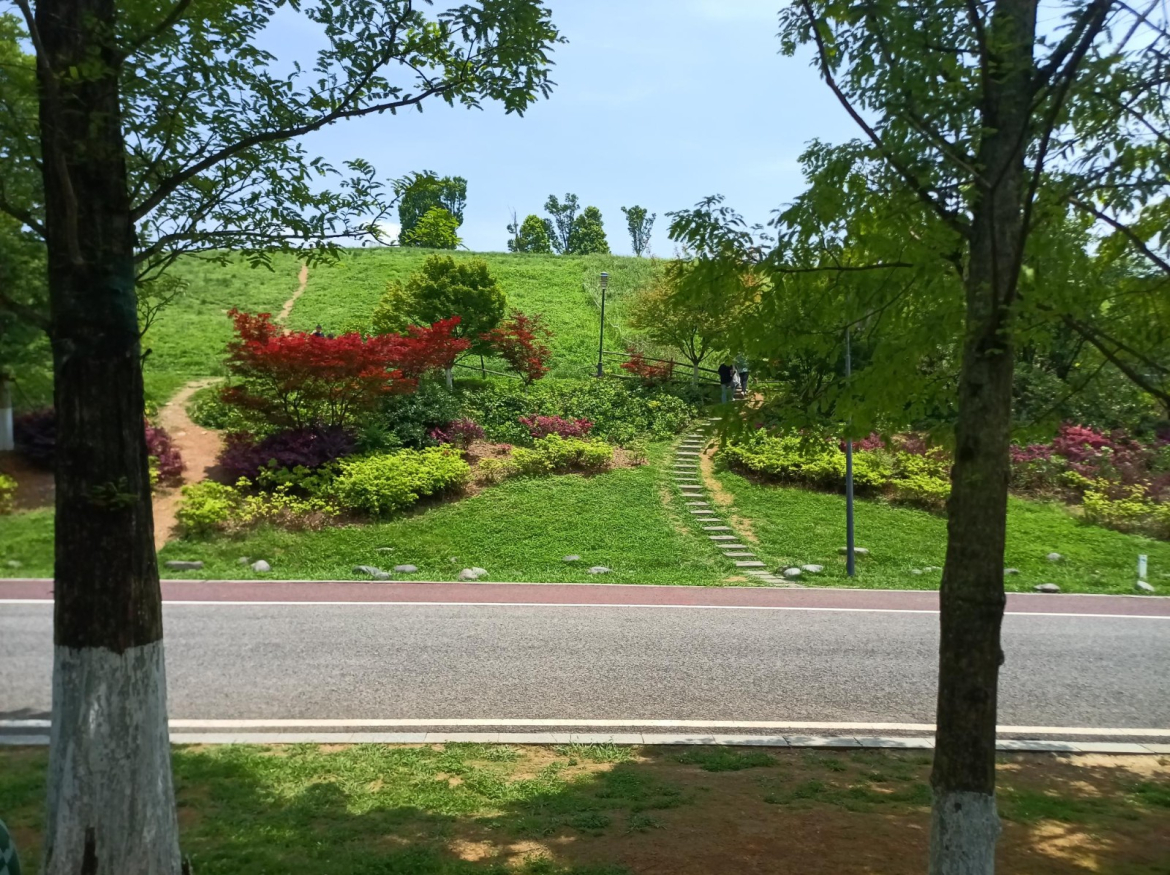
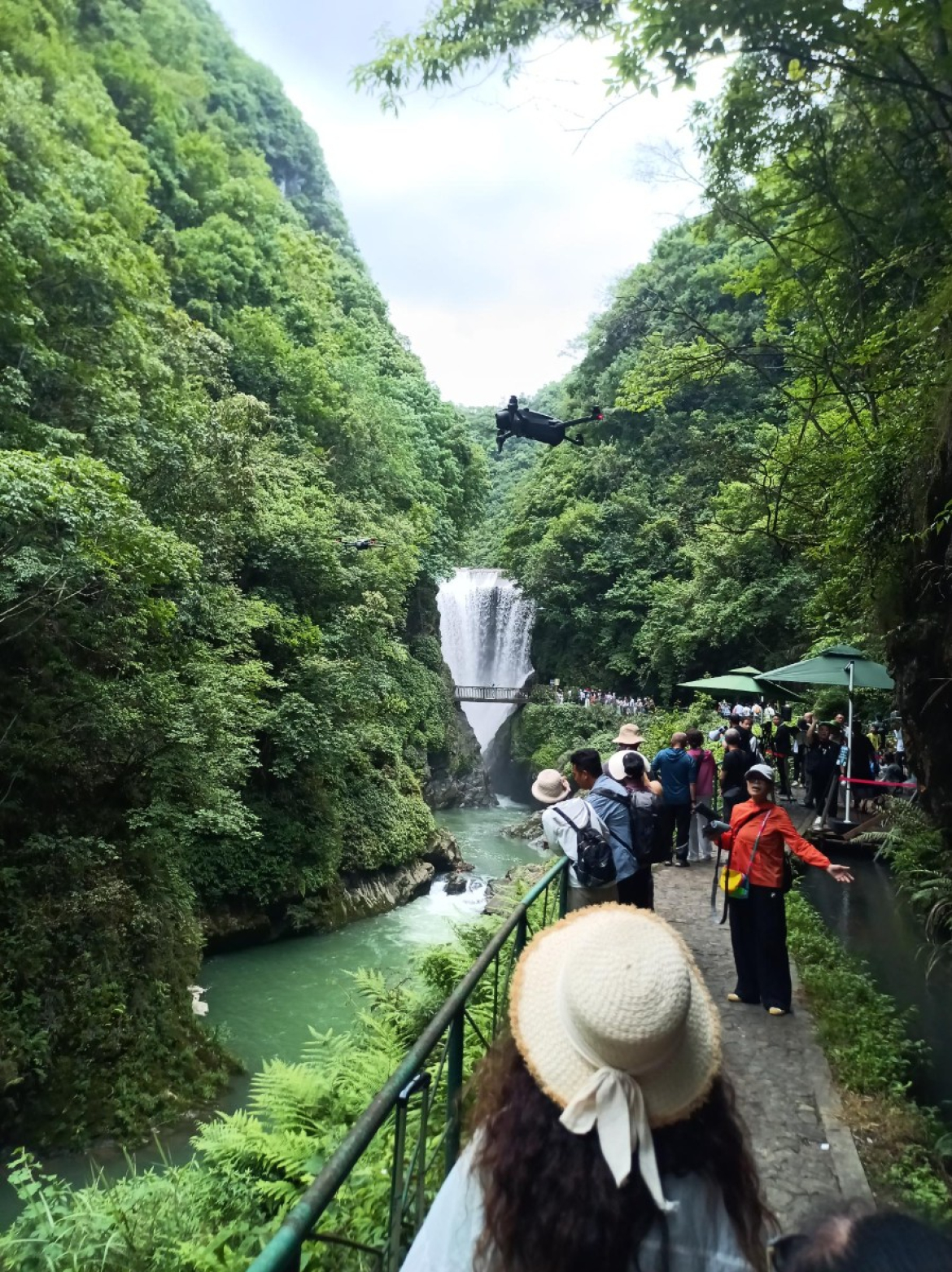
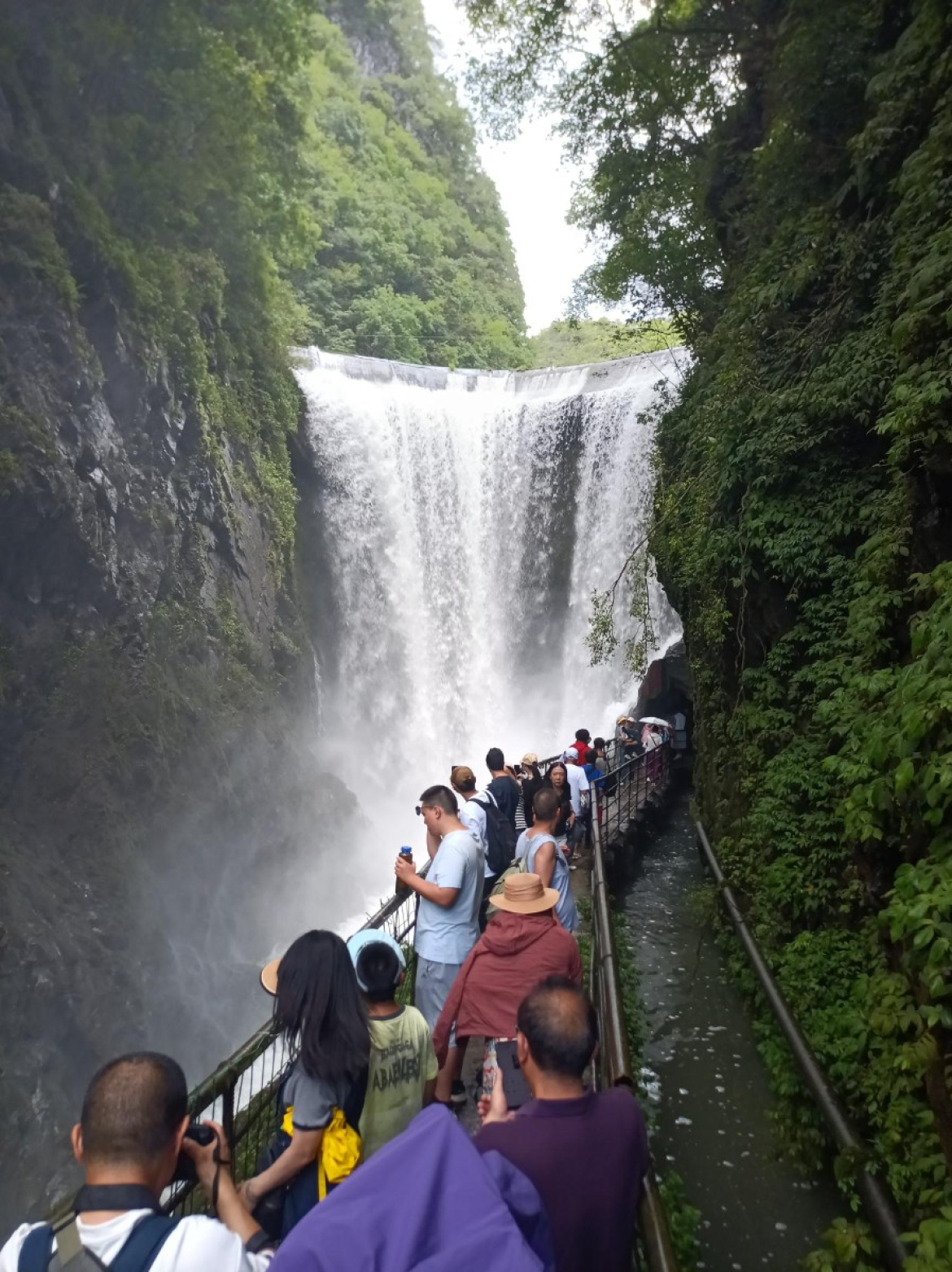
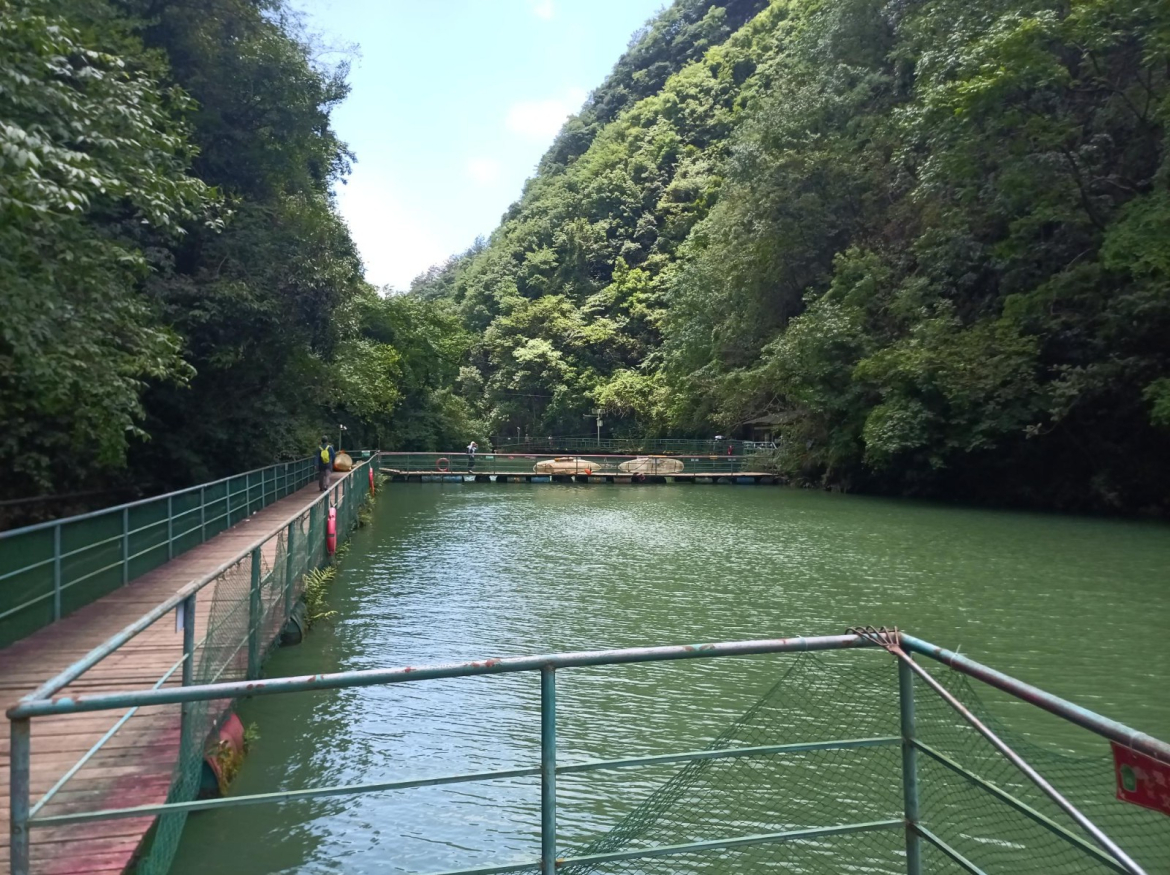


During his visits, he had the opportunity to gain further insight into the local culture and everyday life. In 2025, he visited Guiyang Zoo, where seeing pandas was a particularly memorable experience, as well as an ancient town. During his following visit, he explored the ancient city centre of Guiyang and one of its shopping districts, participated in several hot pot dinners, visited a waterfall, a leisure park, tea and tobacco plantations, and even took part in a KTV karaoke event.
Dr. Ágoston’s teaching experience in China once again demonstrated the importance of international academic cooperation. Beyond lectures and professional exchange, such visits help us better understand each other’s educational systems, cultural habits and everyday realities.

